Take This Here
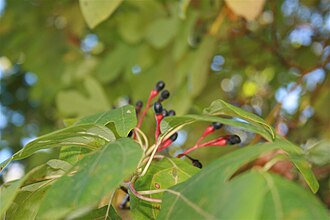
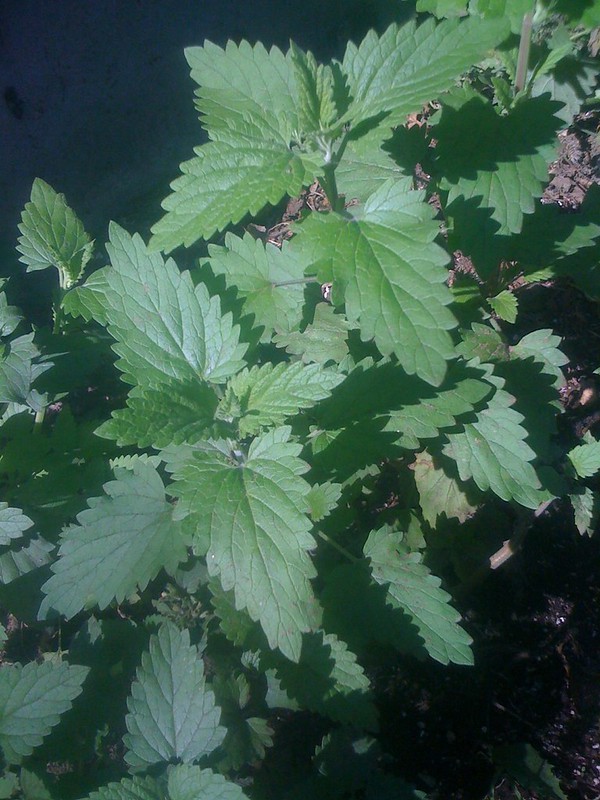
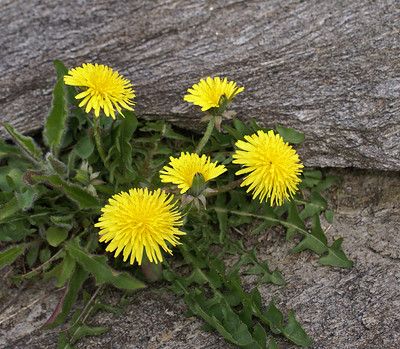
Have you ever had a wretched bout of “the runs” at least once in your life? Wouldn’t it occur at the most inopportune moments like during a friend’s dinner party or five minutes into your speech at a podium with all eyes on you? In those instances, if you were accustomed to plant medicine like an Iroquois or Cherokee, instead of reaching for a swig of Imodium, you’d ask for a cup of catnip or sassafras tea. Hopefully it would kick in quickly before you’d gulp down some dandelion tea to calm our nerves.
Gently infused or decocted for centuries, these three plants are noted for their healing properties among southern and northeastern Native peoples and their neighbors and relatives – people of African descent. For hundreds of years their flowers, leaves, stems, bark and roots have provided uses from aromatherapy to Cajun dishes to wound care.
Catnip is a popular household staple for babies and little children suffering from common growing pains such as fever, sleeplessness, colds. For adults coughing with a summer cold and needing a laxative, catnip could serve as a relieving sleep aid. Aromatic Sassafras can grow from a shrub to 100 feet in southern and eastern woods and fields. It has been a useful remedy for several conditions including to purify the blood, to clean out one’s system and to ease rheumatic conditions. The Iroquois (including the adopted Tuscarora from North Carolina) would decoct its new sprouts’ piths to drink for high blood pressure (root beer) while the Cherokee would rinse sore eyes with the liquid. And going west of North Carolina, sassafras gives a fragrant flavoring and thickening to Louisiana gumbo.
Dandelion as a tea, wine or food is known for its medicinal properties which help restore health in all the lower torso organs in males and females. According to Iroquois lore, if you think you’ve been bewitched, need a love potion or somehow got your testicles smashed, think about boiling dandelion roots for more than an hour, drink and wash off with it. And a word of caution: before you grab any toxic herbicide for your lawns to eliminate dandelion, remember that plant could be a free, natural supplement to your household’s wellbeing. Try a chemical-free grass and weed killer on the lawns after you harvest the sprawling greens. Finally, organic dandelion greens may be pricey but added to a salad or boiled, its nutritional values are known to support a healthy lifestyle.
Photo Credits:
Lamiaceae Nepeta cataria L., Family: Mint – “Catnip / cataire” by Charles de Mille-Isles is licensed under CC BY 2.0.
Sassafras albidum (Nutt.) Nees, Family: Lauraceae – “Sassafras albidum seed” by Cody Hough is licensed under CC BY-SA 3.0.
Taraxacum officinale G.H. Weber ex Wiggers. Family Asteraceae – “Dandelion” by randihausken is licensed under CC BY-SA 2.0.


Drop a Thought or Question!