Hi, I’m Diana. Welcome to Ancestor Talk where you’re invited to pause a minute. Take a sit down on the virtual porch as I share what I’m discovering about my “Carolinian Roots To Fruits.”
My genealogy blog is inspired by Mom’s maternal grandparents, Abner and Margaret Ann (Jones) Newsom-Ward. I discovered them as free people of color living in Martin County, North Carolina in 1860. Who were they? Were they born free or were they ever enslaved? These common questions keep me searching, trying to bust through “brick walls” for answers. I talk about Mom’s enslaved paternal lines, the Worsley-Cobb folk of Edgecombe County, North Carolina and Virginia’s Chesapeake region where their descendants still reside today.
On Dad’s side, I start with his enslaved maternal Withrow ancestors, recorded as living early on in Rutherford, Polk and Cleveland Counties, North Carolina. Our Withrows married enslaved McKinneys who were found in Spartanburg County, South Carolina, Rutherford County, North Carolina and like thousands of other Carolinians, headed North during the Great Migration from about 1910 to 1930.
I share tidbits of my family history as discovered through historical records, very few oral stories, old photos, genetic analysis. I dig from my earliest known ancestors to their fruits in order to honor our elders. As many African-ancestored researchers do, I attempt to bridge the Atlantic Ocean or cross the hypothetical Bering Strait or trek down the Americas’ coasts in search of ancient migration routes my peoples likely took out of Africa. The presence of indigenous blacks in the Western hemisphere long before European colonization and their interweaving with other indigenous peoples is considered in identifying my earliest ancestors.
I am a multiethnic genealogist/historian. Most so-called “African-Americans” native-born to the Western Hemisphere are indeed multiethnic. So, I can hear my ancestors talk about their diverse, controversial spiritual and religious beliefs, the plant medicines that soothed their pains and their blood memories of way back home – of those ancient societies and civilizations we OpenAI search about today.
In researching, I’ve found genetic genealogy tools to be invaluable for assisting people in their explorations and for myself. Popular DNA testing companies attract those curious about their inherited ethnicities, ancestral homelands, ancient societies, living relatives and birth parents. Although autosomal testing companies e.g. AncestryDNA, 23andMe, myHeritage can present generalized ethnicity estimates and some of their datasets are outdated, results are useful with caution. For example, these three companies provide consumers with “cousin match” lists along with DNA results which often contain treasure troves of information identifying living and deceased family. But be aware, the results can definitely shock you or contradict what you know.
Genealogical research is more than just squinting at old English or Spanish documents recorded in cursive while trying to locate a 4x great-uncle’s obscure village that no longer exists on Google Maps. It’s an exciting portal to personal discovery and can be – if you have the time – the celebration of at least 262,142 of your direct ancestors, those biological stimuli for your arrival in the earth. We people of color love to acknowledge and celebrate our ancestors when we discover them. We make a point of speaking the ancestral names both great and small, pouring libations to them, celebrating them in family reunion books, telling their stories, singing their praises or gasping at their evil deeds.
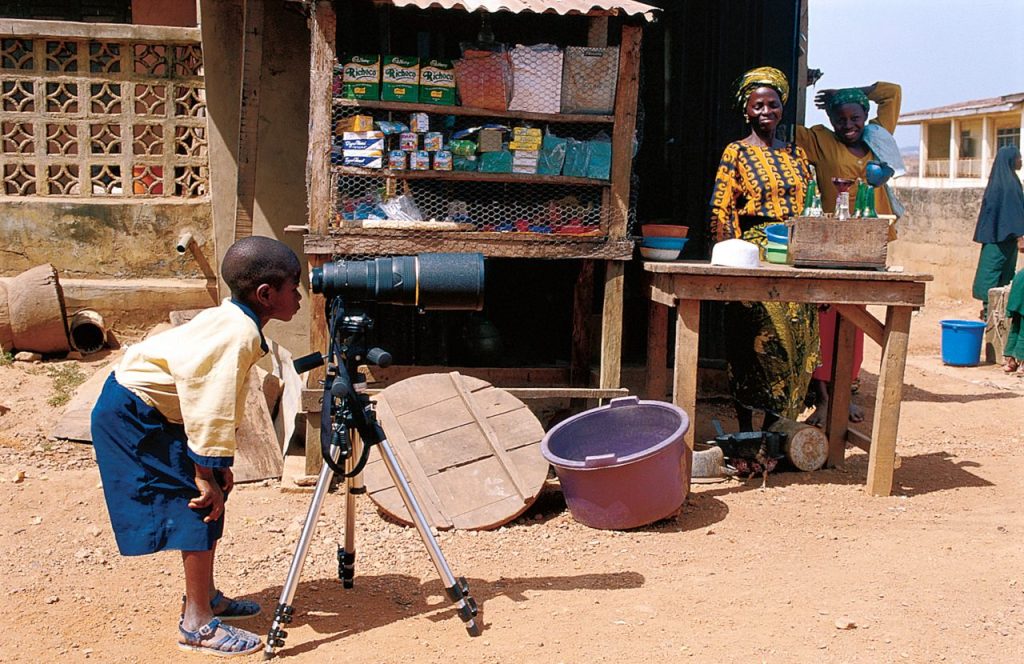
I’m like the inquisitive little boy scoping, hoping to capture sight of distant relatives way across the oceans, scattered throughout the diaspora. And simultaneously, I’m like the Akan sankofa bird; I look backwards to retrieve what’s forgotten while poised firmly to release a precious egg of knowledge to fortify and nourish today’s thriving generation and those going forward.
So if you’re minutely interested in “ancestor talk,” you’ve stopped by the right neck of the woods. Again, welcome!

 Ancestor Talk