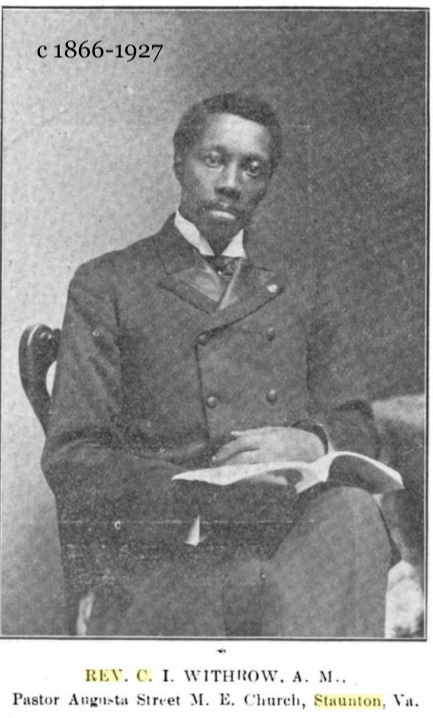
Photo: courtesy of the Minutes of the 41st Washington Annual Methodist Episcopal Conference, 1904
“That which has been is what will be,
That which is done is what will be done,
And there is nothing new under the sun”.
Ecclesiastes 1:9
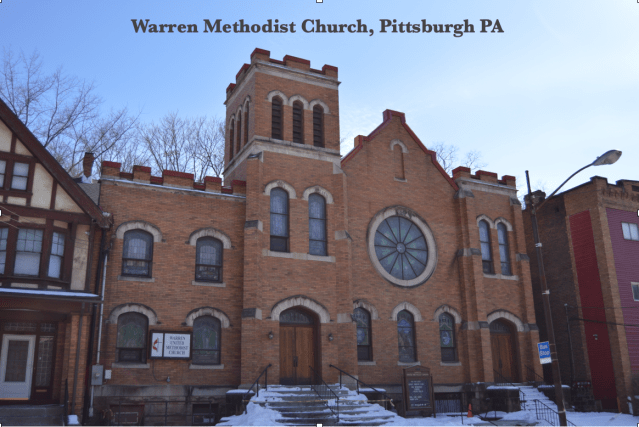
Briskly striding past several distinguished elders seated on the rostrum of the Warren Methodist Episcopal Church, Rev. Chauncey Isaiah Withrow ascended the sacred desk, ready to deliver his themed homily for the 11 a.m. service on the first Sunday. Visiting representatives from local civic organizations, academic institutes, and the Washington Methodist Conference’s presiding elder leaned in from their chairs, eager to hear what the Lord would speak through this black divine. Seated on the front pew directly in front of the pulpit, the devoted Mrs. Mattie Louise (Dorsette) Withrow gleamed momentarily as her dear husband opened the Bible.
Had that scene been transported to 2020, Mrs. Withrow would be feverishly tweeting phrases from the good Reverend’s sermon, ‘The Superiority of the Reign of Solomon.’ It was February 25, 1899—exactly 52 years and two days before this writer’s birth—that Mrs. Withrow’s notes would have contributed to a compilation of her husband’s sermons.1
But it was the quick strokes of the local Pittsburgh Press reporter’s fountain pen that repeatedly captured Withrow’s services from 1899 to 1905. Perhaps the reporter enjoyed being assigned to cover this particular colored church, as he found Withrow’s exhortations both scripturally sound and culturally relevant. The Pittsburgh Press held its spot in a lineup of national and Eastern U.S. publications that chronicled Withrow’s activities from approximately 1894 to 1925.
Both the black and white fraternal brothers in service that morning were listening for keywords, seeking confirmation of Withrow’s intent to align his budding ministry with the example of the Solomonic Temple. Fathers, who had been laboring under intense pressure just 35 years earlier, silently hoped the preacher would emphasize God’s ordinance for peace between the black man and the white former overseer peeking through the side window. Meanwhile, peering anxiously over his spectacles in the left front row, a balding treasurer-elder responsible for supervising Warren’s building projects hoped the pastor would successfully convince the congregation to become the first and strongest financial supporters. And ah yes, the lovely young ladies, decked in their Sunday go-meeting finery, hugged their shawls while winking at the young deacons-in-training.
Five years into a marriage that seemed like a match made in heaven, Mattie Louise savored the life of an increasingly popular clergyman’s wife.2 A native of Randolph County, North Carolina, she was the second daughter of a well-respected farming couple, David Franklin and Lucinda (Pope) Dorsette. Planting collards and cotton weren’t the only significant crops the Dorsettes produced: their first daughter Cornelia, married Dr. Jordan Douglass Chavis Sr., president of Bennett College, an HBCU in Greensboro, North Carolina. And their first son, Cornelius Nathaniel, notably pioneered as Montgomery, Alabama’s premier black physician in 1884.3 These same Dorsettes would later provide crisis intervention for a foster child in Chauncey and Mattie’s household who would eventually become the first African American nurse in the American Red Cross. (https://redcrosschat.org/2022/02/01/black-history-month-honoring-frances-reed-elliott-davis/
As far as Chauncey’s birth, read the full article or download pdf

 Ancestor Talk
Leave a Thought or Question